Mokopirirakau / Forest gecko
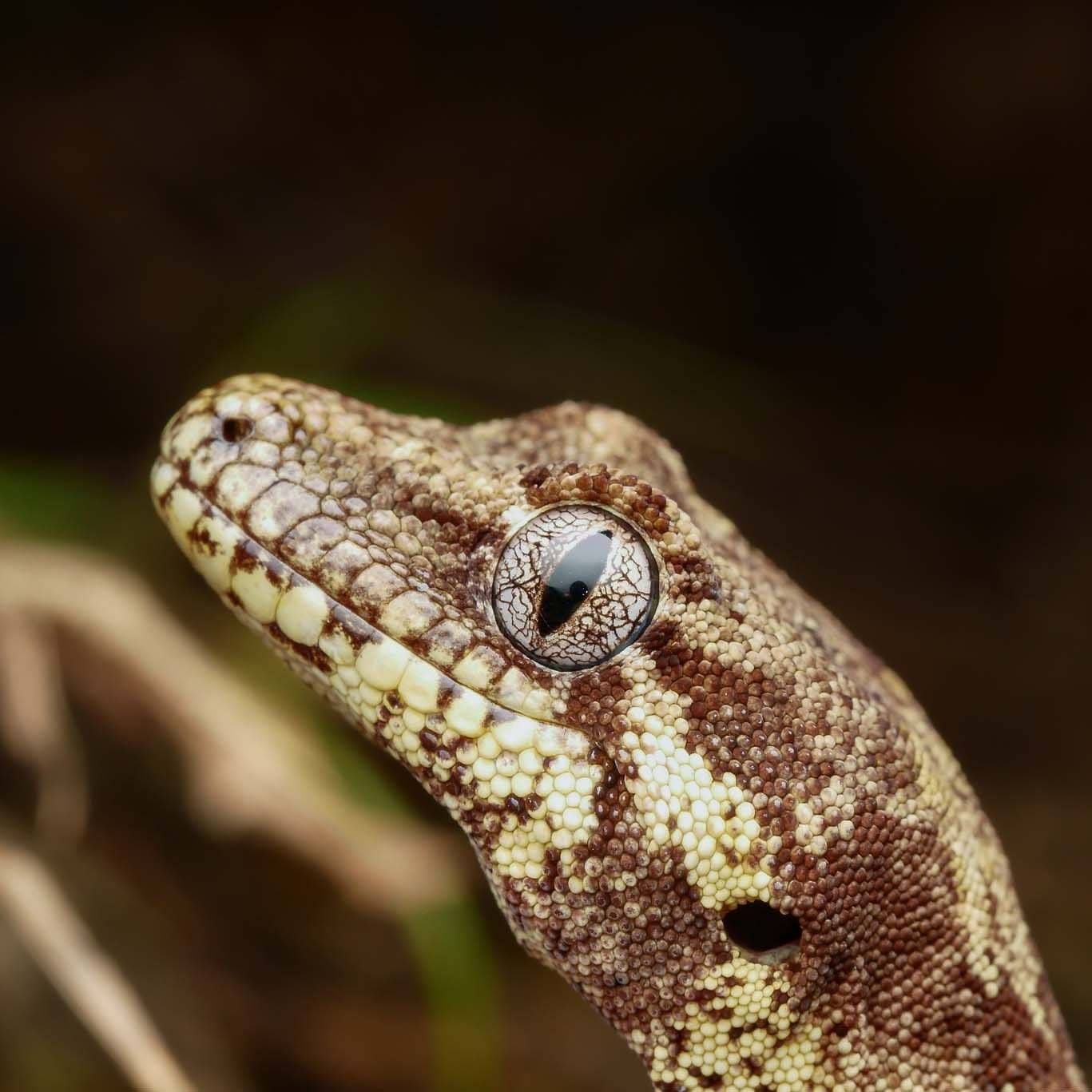
Our sticky-footed forest friends
Some forest geckos have been recorded reaching ages of 40+years!
Habitat: Native forests and scrublands, often in trees and shrubs but also on the ground in damp, thickly vegetated areas.
Breeding season: June - August
Diet: Insects and other small invertebrates plus nectar and fruit.
What’s their superpower?
When caught by predators, mokopirirakau (aka forest geckos) can ditch their tails. They detach along special fracture lines and continue to wriggle, distracting the attacker while the gecko makes its escape. They can regrow them, but this can take a lot of time (sometimes months) and energy, and the new tail is usually shorter.
Why do we need them?
As well as being an important part of the food chain, they’re vital to healthy forests because they help pollinate plants and spread seeds, which allows new trees and flowers to grow. They’re also great environmental indicators - their presence shows the forest is balanced and full of life. Without them, these natural processes would slow down, making forests weaker and less able to cope with threats like pests or climate change.
Did you know?
Thanks to millions of microscopic hair-like structures on their toes, mokopirirakau can effortlessly scale vertical walls and cling upside down. They also use their flexible tails like an extra hand to grip branches and steady themselves as they move through the forest.
Fascinating facts
Master shapeshifters: Like tiny mood rings, they adjust their skin colour to blend with bark, regulate temperature or hide from predators.
Tongue-twisters: They don’t have eyelids. Instead, their eyes are covered by a clear, protective scale, which they keep clean by licking with their specially shaped, spoon-like tongues.
Night vision ninjas: They have exceptional vision and can see colour - even in low light. Since they’re mostly active at night, this helps them hunt, navigate and avoid predators after dark.
Squeal appeal: When threatened, forest geckos will occasionally open their mouths wide and let out a loud, high-pitched squeal that can startle predators and give them a chance to escape.

Conservation corner
Sadly, forest geckos are classified as At Risk – Declining by DOC thanks to habitat loss and introduced mammals like rats, stoats and cats, and competition for food, shelter and space from invasive species.
How you can help
Plant native shrubs and trees like Coprosma, kānuka, and mānuka for shelter and food.
Trap pests like rats and possums that prey on mokopirirakau.
Create safe garden refuges with dense plants, rock piles and logs.
Join local conservation groups to protect and restore native forests.
Report sightings with photos and location details to DOC.
Help us to help the Mokopirirakau / Forest gecko
Another species found only in New Zealand, the forest gecko are tree dwelling and have been known to live upwards of 25 years.
With over 75% of our indigenous species at risk of extinction*, the Pest Free Waitākere Ranges Alliance is raising funds to help defend the many special species of the Waitākere Ranges.
Thank you for your support of this fascinating creepy-crawly!
Mokopirirakau / Forest gecko
Supporter Gear
Support the conservation efforts of Pest Free Waitākere Ranges Alliance!
By shopping with us, you're contributing to the protection and preservation of our ngahere, and supporting our vision of a restored and thriving Waitākere Ranges.
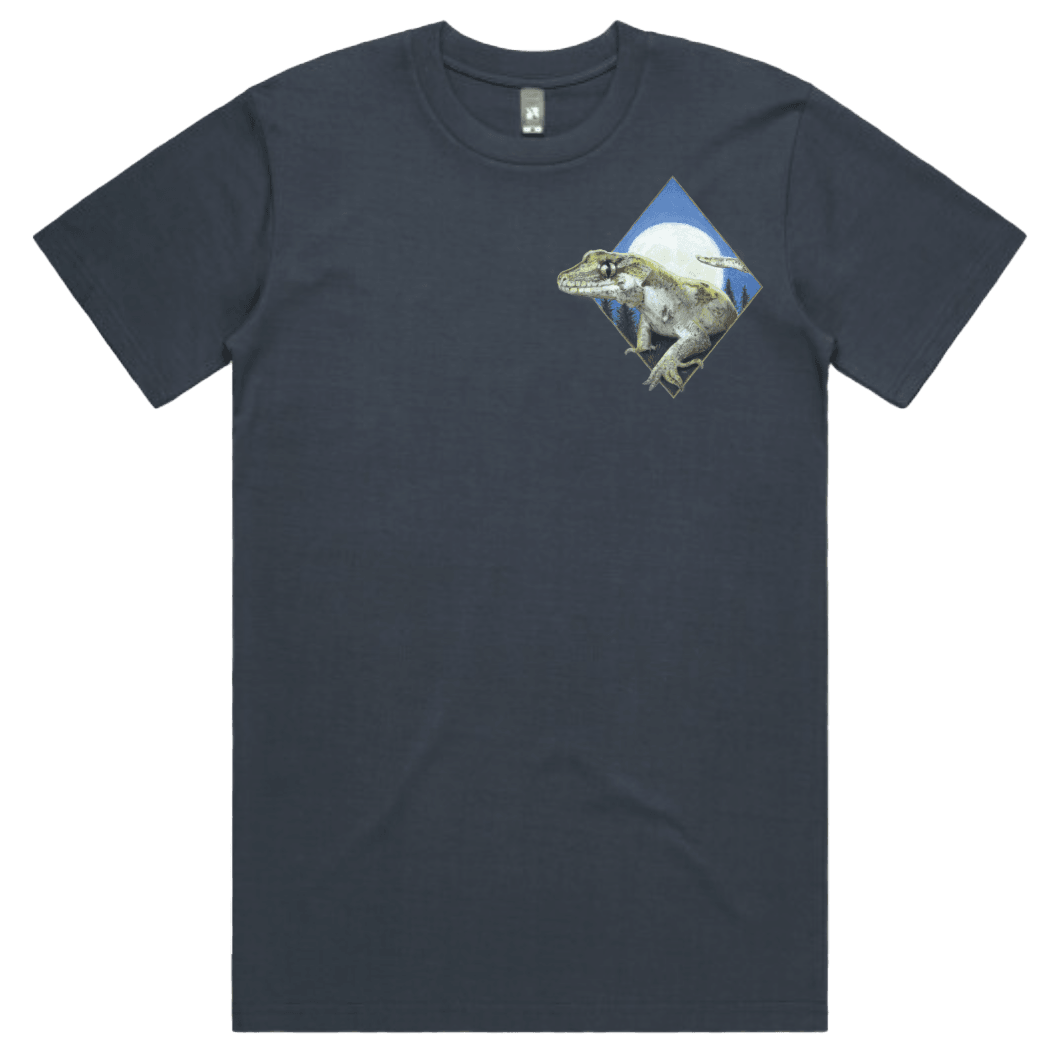
Choose from a range of clothing and accessories printed with our exclusive design by local artist Noah Hunt featuring Waima's special species – the Mokopirirakua / Forest gecko.
Find out more
Image credits: Mokopirirakau close up by Keegan Tinsel • Mokopirirakua on tree by Carey_Knox_Southern_Scales • ern by Toby Hall on Unsplash
Get our newsletter
Receive monthly news and updates from Pest Free Waitākere Ranges Alliance.
