Pepeketua
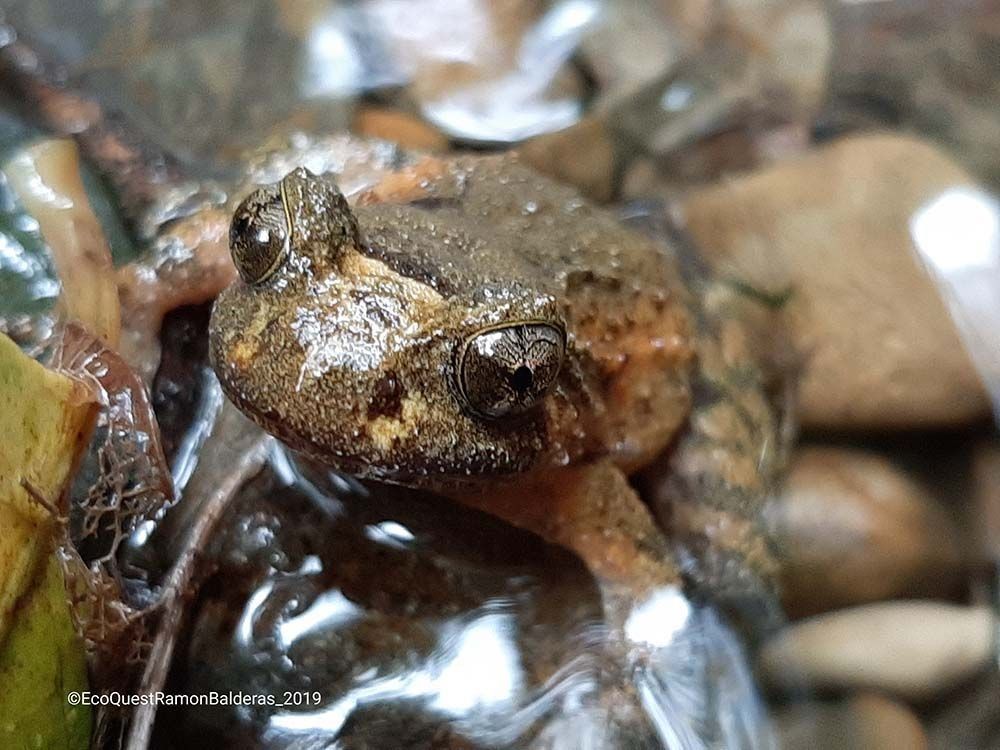
Hochstetter’s frog
Aotearoa's hoppers in hiding
As one of three endemic frog species left in Aotearoa New Zealand, alongside Archey’s and Hamilton’s frogs, these little legends are some of our most ancient and mysterious locals.
Habitat: In and around shaded streams, especially in native forests across Aotearoa.
Egg-laying period: Late September–May
Diet: Invertebrate prey like insects, worms and snails.
Size: Up to 48 mm.
What’s their superpower?
They’re specialists in stealth. They don’t croak, sing or ribbit like other frogs. In fact, they don’t even have eardrums or vocal sacs. They communicate through soft squeaks, scents and subtle movements. With their camo skin and a knack for staying hidden, they’re perfectly built for lying low.
Why do we need them?
They play an important role in the food chain as both predator and prey. And because their skin absorbs everything around them, they can be natural indicators of pollution or ecosystem damage. If pepeketua are healthy, it’s a good sign the environment is too.
Did you know?
Frogs breathe through their skin. But, because oxygen needs to dissolve in water before it can enter the bloodstream, their skin must stay moist - that’s why they love damp environments.
Fascinating facts
Warty wonders: Their skin is bumpy and patterned to help them blend in with leaf litter and rocks - perfect for a life spent hiding.
Decades in the damp: Hochstetter’s frogs can probably live for 30–40 years.
Leggy locals: Unlike typical frogs that hop, Hochstetter’s frogs mostly walk or crawl. Why? Because they have 9 vertebrae instead of the usual 8 which gives them a bendier, lizard-like spine.
Lunge, grab, munch: Unlike many other frogs, they don’t use their tongues to catch food. Instead, they leap, grab and sometimes use their arms to wrangle their prey.
Creek creepers: They’re Aotearoa’s only endemic frog that lives in cool, fast-flowing forest streams, instead of forest floors - although they’re sometimes found there too.

Conservation corner
Waitākere pepeketua are At Risk-Declining nationally and At Risk-Regionally Declining. Habitat loss, predators, disease and climate change are squeezing this unique lineage into smaller pockets. Protecting cool forest streams and controlling predators keeps these ancient stream-dwellers calling the Ranges home.
How you can help
Don’t touch native frogs. Their skin absorbs water and everything in it which means they’re vulnerable to pollution, chemicals and disease. If you have a permit to touch one, be sure to follow the instructions.
Keep your shoes clean. Always scrub and disinfect your shoes when moving between different bush or wetland areas.
Don’t spray near waterways. Herbicides and pesticides can harm frogs so check the label and stick to products that are safe to use near streams.
Restore their habitat. Plant native trees, fence off waterways from stock and trap predators like rats and stoats.
If you spot a frog, don’t touch it. Take a clear side photo and note the exact location, habitat, date and time. Email the details to herpetofauna@doc.govt.nz, or upload the sighting to iNaturalist NZ – Mātaki Taiao.
Get involved in wetland projects that aim to restore and protect pepeketua.
Help us to help the Pepeketua / Hochstetter's frog
These earless voiceless frogs grow to around 5cm in length, and is the only native frog species to have a tadpole stage.
With over 75% of our indigenous species at risk of extinction*, the Pest Free Waitākere Ranges Alliance is raising funds to help defend the many special species of the Waitākere Ranges.
Thank you for your support of this unusual and interesting frog!
Huia / Pepeketua
Supporter Gear
Support the conservation efforts of Pest Free Waitākere Ranges Alliance!
By shopping with us, you're contributing to the protection and preservation of our ngahere, and supporting our vision of a restored and thriving Waitākere Ranges.
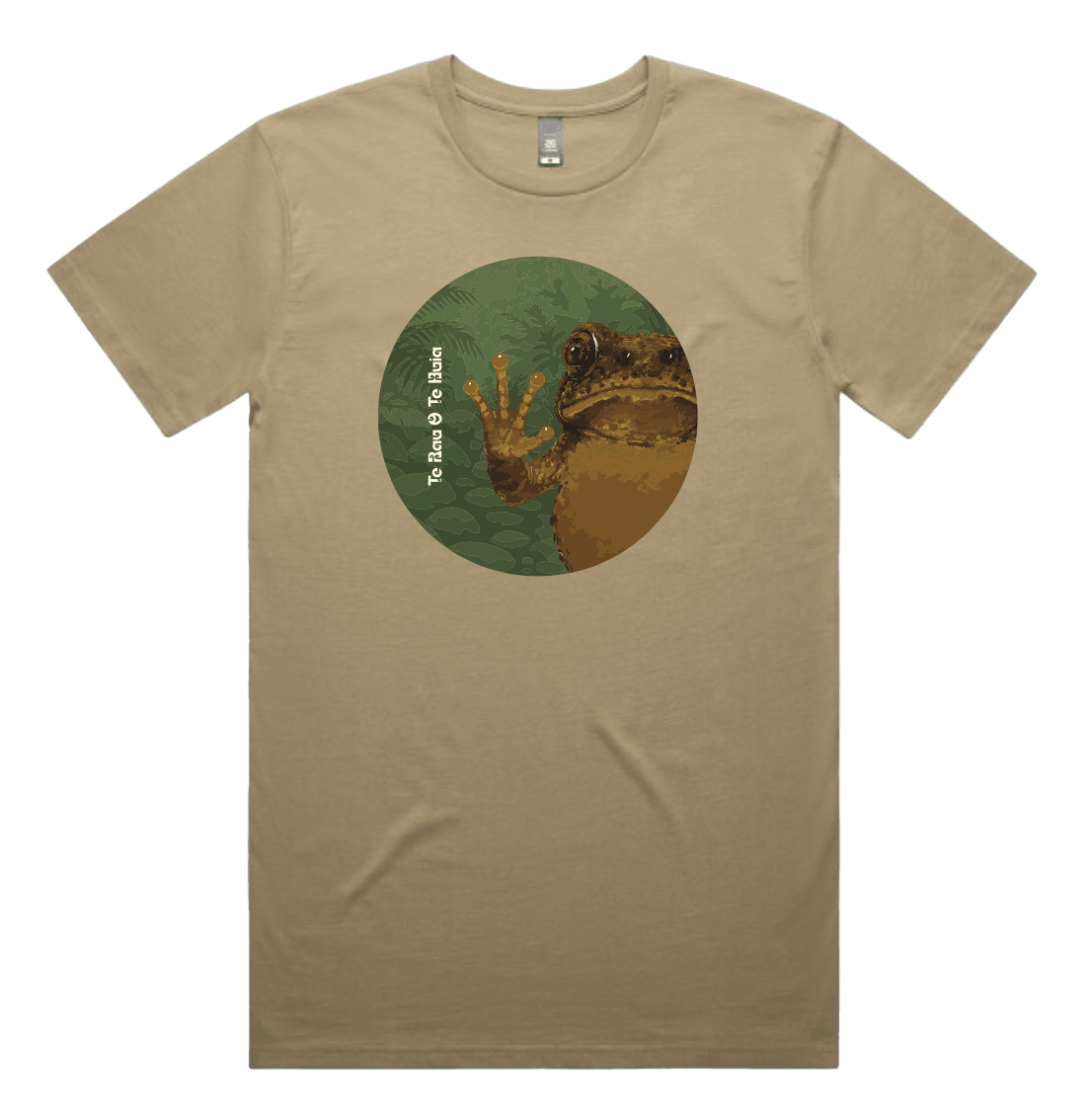
Choose from a range of clothing and accessories printed with our exclusive design by local artist Stephanie Nierstenhoefer featuring Huia's special species – the Pepeketua / Hochstetter's frog.
Find out more
Image credits: Fern by Toby Hall on Unsplash • Pepeketua by Ramon Balderas/EcoQuest • Pepeketua close-up by Saryu Mae on iNaturalist
Get our newsletter
Receive monthly news and updates from Pest Free Waitākere Ranges Alliance.
