Matuku-hūrepo
Australasian bittern
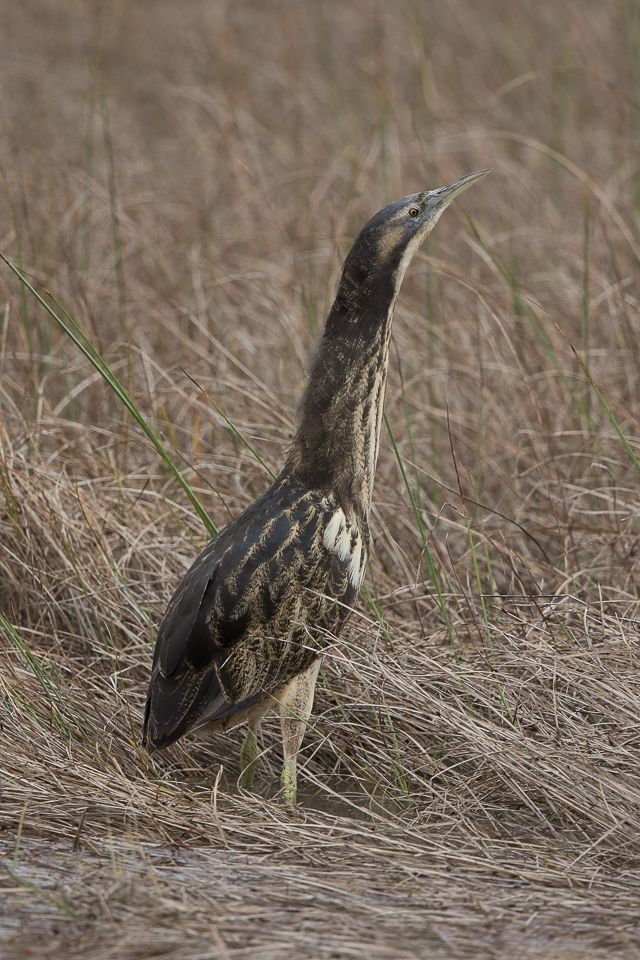
Masters of the marshland
The bittern has a conservation status of nationally critical and is thought to number less than 900 individuals.
Habitat: Dense, shallow wetlands across Aotearoa New Zealand and Australia.
Breeding season: August–December, peaking in November.
Diet: Fish, eels, insects, frogs and freshwater crustaceans.
Size: About 74 cm. Males average 1,400 g; females 900 g.
What’s their superpower?
Matuku-hūrepo are masters of hide and seek. Using their 'freeze' stance and streaky brown and white feather pattern, they blend into their surroundings becoming nearly invisible. They sometimes even sway, mimicking the movement of reeds, to avoid predators and ambush prey.
Why do we need them?
These wetland warriors help keep fish, eel and insect numbers in check. Plus, as they move through water, they stir up nutrients that help aquatic plants grow. Because they need a healthy, diverse habitat and plenty of food, they’re also indicators of wetland health - a high number of matuku-hūrepo is a sign of a thriving wetland system.
Did you know?
Like almost all other birds, matuku-hūrepo have sharper-than-human eyesight. They can see the same range of colours as us, but also detect ultraviolet light, which reveals details and colours invisible to us.
Fascinating facts
Bounce-back beaks: Their beaks are made of keratin (the same protein found in hair, skin and nails), which means they’ll usually recover quickly from minor damages.
Hollow-boned hunters: Their bones contain air sacs that make them lighter, helping them soar, flap and stay airborne.
Boomers of the bird world: To attract mates and keep rivals at bay, males unleash powerful ‘booms’ during breeding season, heard up to 2 km away. You might hear them at dawn and dusk.
Culturally connected: Matuku-hūrepo are woven into Māori legends and stories, appearing in early artworks. Many place names across Aotearoa reference them, reflecting their cultural importance.
Lone rangers: Unlike many other birds that flock together, matuku-hūrepo prefer solitude, spending their lives hidden in dense wetland vegetation – that’s why they’re rarely seen.

Conservation corner
Matuku-hūrepo have lost 90% of their wetland habitat and are Threatened-Nationally Critical. Cats can kill adults, while stoats, ferrets and weasels take eggs and chicks. Restoring wetlands and controlling predators gives these secretive birds a chance to recover.
How you can help
Get involved in wetland restoration projects that aim to restore and protect matuku-hūrepo habitats.
Plant native vegetation like rāupo and rushes (Juncus species), and create buffer zones around edges of ponds, wetlands and streams to restore their natural habitat.
Control pests by setting rat and stoat traps in your area.
Help us to help the Matuku-hūrepo / Australasian bittern
Matuku-hūrepo are dependent on wetlands and with their habitat under threat, they are globally endangered. In Aotearoa, they are listed as threatened - nationally critical with fewer than 1,000 individuals.
With over 75% of our indigenous species at risk of extinction*, the Pest Free Waitākere Ranges Alliance is raising funds to help defend the many special species of the Waitākere Ranges.
Thank you for your support of this secretive bird!
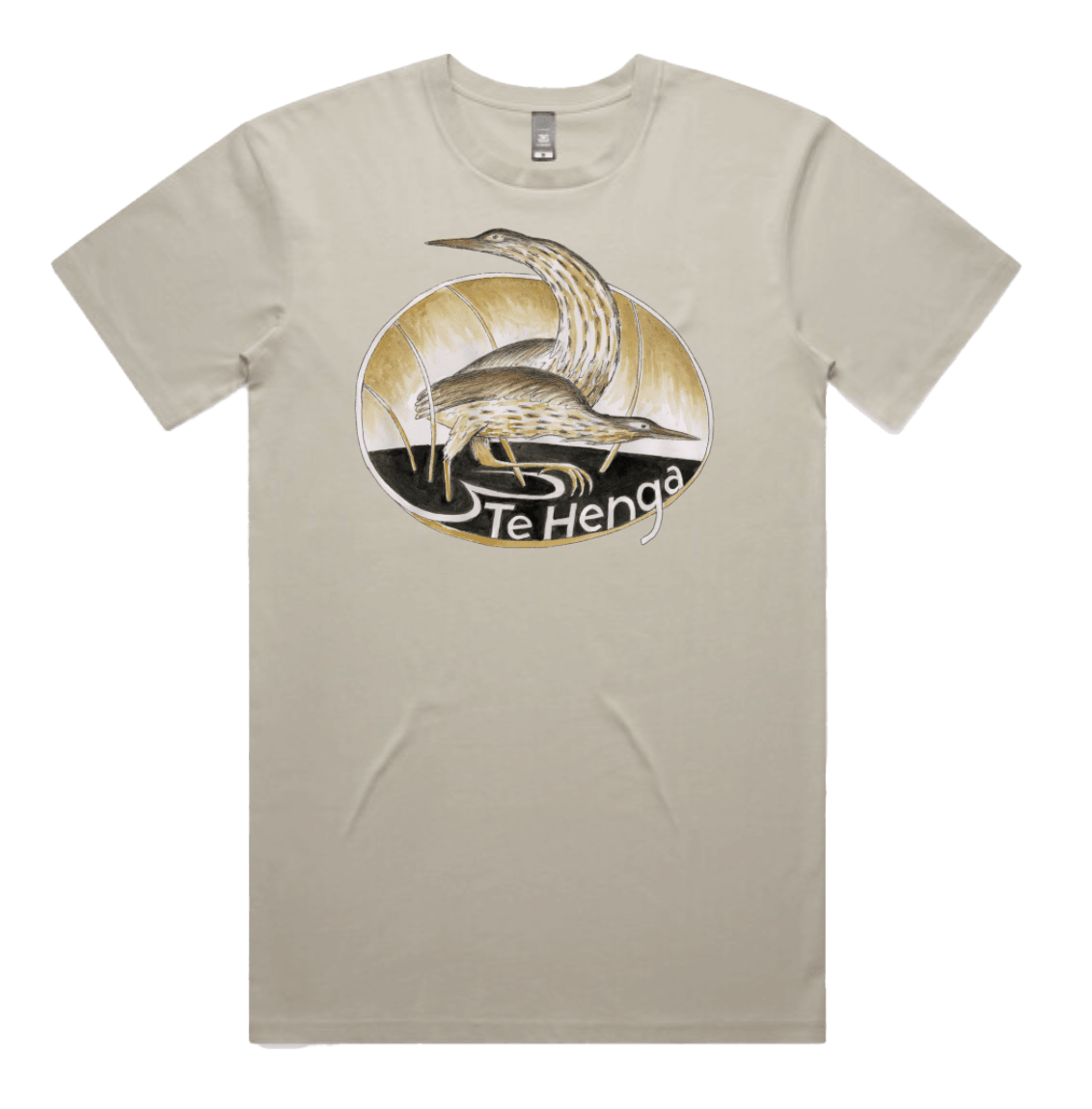
Te Henga / Matuku-hūrepo Supporter Gear
Support the conservation efforts of Pest Free Waitākere Ranges Alliance!
By shopping with us, you're contributing to the protection and preservation of our ngahere, and supporting our vision of a restored and thriving Waitākere Ranges.
Choose from a range of clothing and accessories printed with our exclusive design by local artist Derek March featuring Te Henga's special species – the Matuku-hūrepo / Australasian bittern.
Find out more
Image credits: Matuku-hūrepo/Australasian bittern by Imogen Warren • Fern by Toby Hall on Unsplash
Get our newsletter
Receive monthly news and updates from Pest Free Waitākere Ranges Alliance.
