Tūturiwhatu
Northern New Zealand dotterel
Titans of the tideline
Habitat: Coastal areas around the North Island and some inland areas of cleared land.
Breeding season: August–February
Diet: Small invertebrates, crabs, molluscs, insects and occasionally tiny fish.
What’s their superpower?
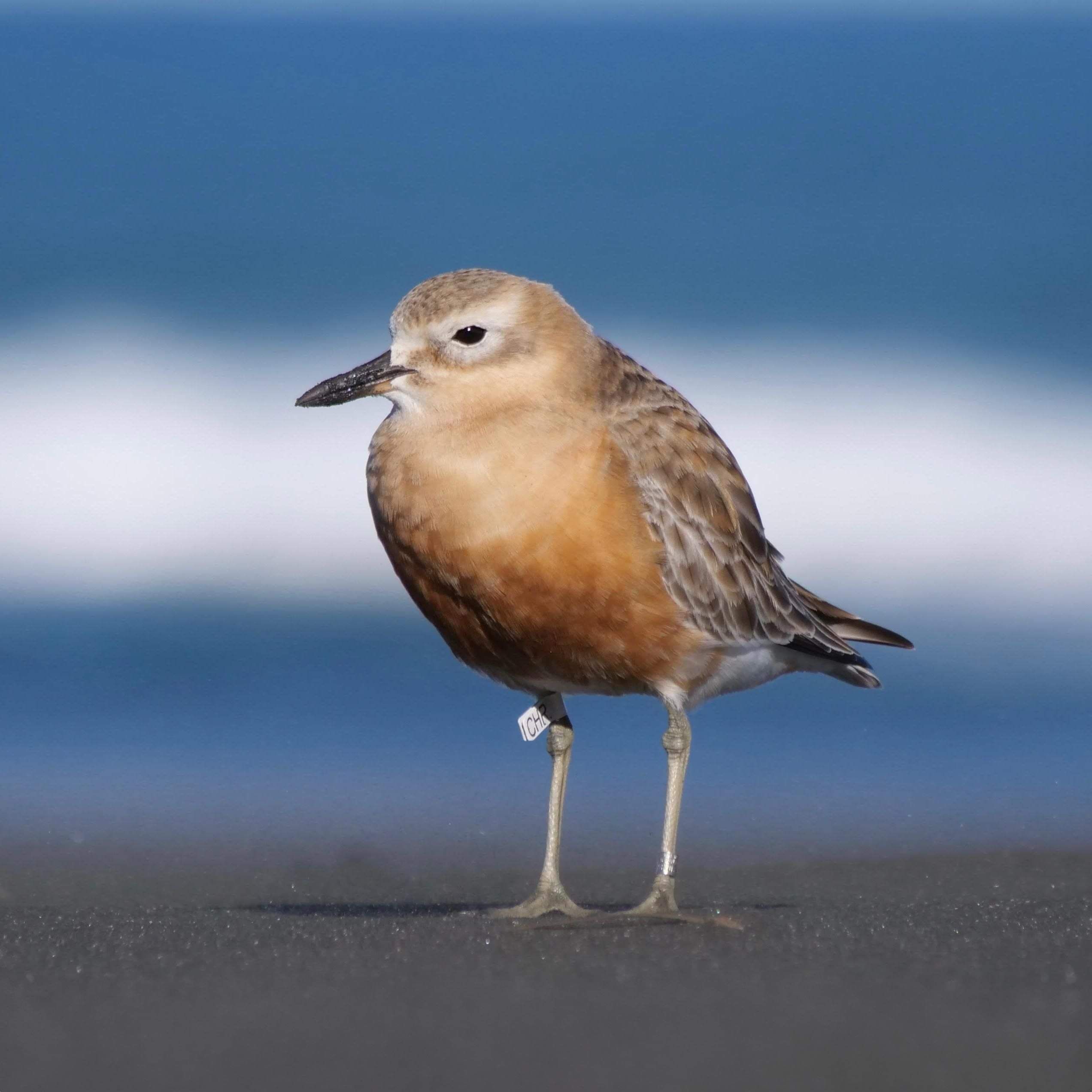
Tūturiwhatu are endemic beach-nesting masters of disguise. With sand-toned feathers that blend perfectly with their surroundings and their ability to freeze at the slightest hint of danger, they can be almost impossible to spot. They even pick nesting sites that blend in with their colouring, making their eggs and chicks extra hard to find.
Why do we need them?
They’re tiny but mighty helpers for our beaches. They keep bug numbers down and recycle nutrients that dune plants and wildlife need to thrive. If tūturiwhatu are hatching and raising chicks until they can fly, it’s a good sign the coastal environment is working as it should. If their numbers drop, it often means something’s gone wrong.
Did you know?
They’ll go to great lengths to protect their young. One of their trusty tactics is to fake a broken wing by hopping and dragging themselves along the beach to lure predators away from eggs and chicks.
Fascinating facts
Sound spies: Their slightly lopsided ears allow them to hear sound in 3D. While humans have a similar ability, ours is far less precise. While we might hear a jumble of notes when a bird calls, tūturiwhatu hear individual frequencies which help them identify the exact height and direction of a buzz, chirp or hum.
Puff power: Tūturiwhatu, like most bird species, breathe in and out at the same time through their unique lung and air sac system. It’s how their bodies get a constant flow of oxygen, which helps them fly long distances without breaks.
One step ahead: After hatching (fully feathered and able to walk), they leave the nest at just 1 day old to forage for food alongside their parents. This early exit is a survival strategy since their open-beach nests leave them vulnerable to predators.
The great summer mingle: Once breeding season’s over, they gather in flocks at their favourite estuaries for the ultimate matchmaking event. Young singles pair up for the first time and older birds who have lost their mates get a second chance at finding their match.
Long lives, short odds: Tūturiwhatu can live for 20–25 years, but many don’t make it past their fifth birthday, especially in the wild, thanks to pesky predators.

Conservation corner
Good news: predator control and protected nesting sites are helping tūturiwhatu numbers grow. They are Threatened-Nationally Increasing, but development, predators, people and dogs still put beach nests at risk. Give these masters of disguise space, and more chicks can take to the skies.
How you can help
Stay out of roped-off areas around nesting zones, follow signs and stick to local bylaws, especially when it comes to dogs.
Don’t approach a bird that appears injured. It may be trying to lead you away from its nest so move slowly in the direction it’s heading until it flies off.
Keep dogs leashed on beaches, especially during breeding season.
Don’t drive on beaches and sandspits.
Keep cats indoors at night.
Support predator control and habitat restoration, including beach dune restoration and vegetation planting.
Help us to help the Tūturiwhatu / Northern New Zealand dotterel
The endangered tūturiwhatu / Northern New Zealand dotterel is found only in this country. Their nests are just scrapes in the sand, and their chicks have to find their own food from the day they hatch, though their parents will go to great lengths to protect them.
With over 75% of our indigenous species at risk of extinction*, the Pest Free Waitākere Ranges Alliance is raising funds to help defend the many special species of the Waitākere Ranges.
Thank you for your support of this bird, currently more rare than kiwi!
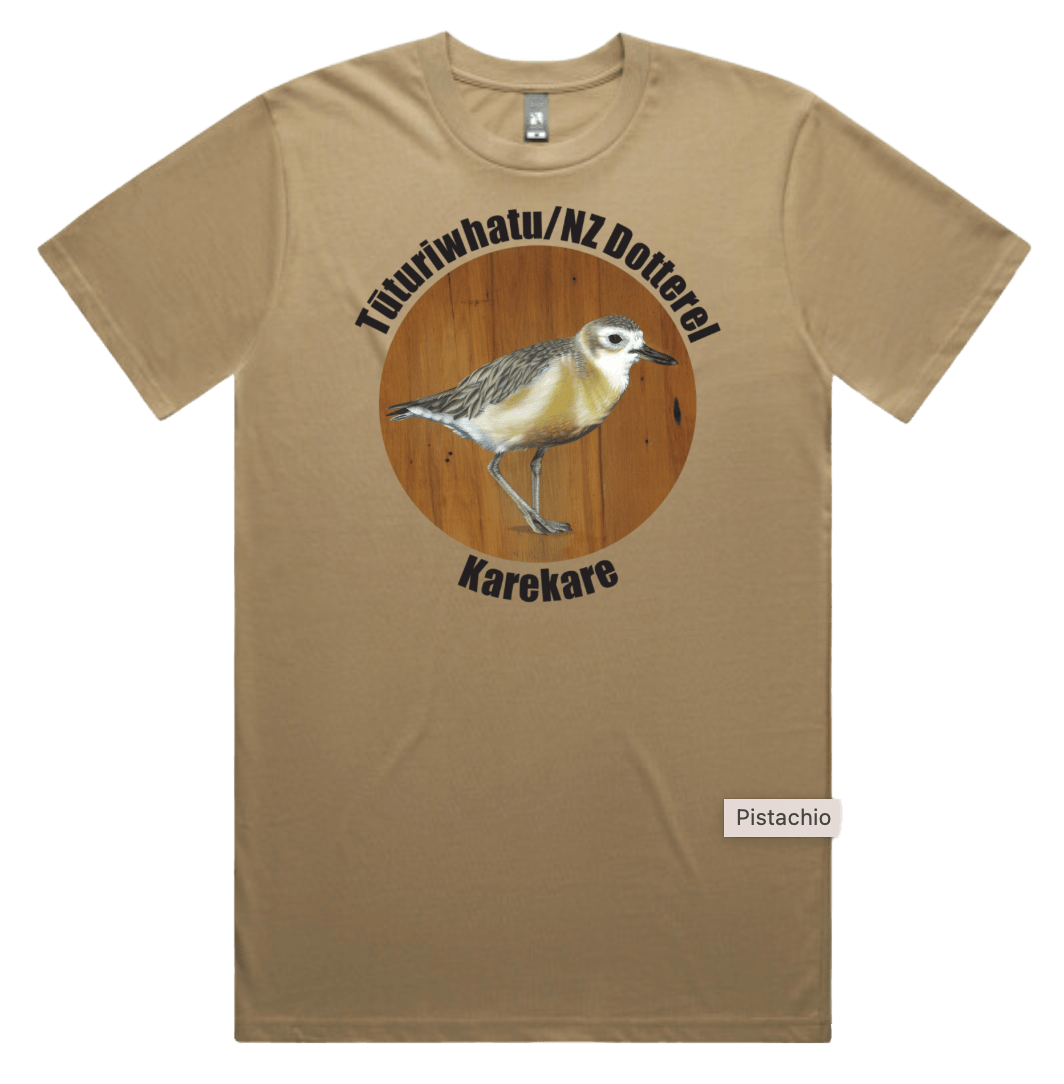
Karekare / Tūturiwhatu Supporter Gear
Support the conservation efforts of Pest Free Waitākere Ranges Alliance!
By shopping with us, you're contributing to the protection and preservation of our ngahere, and supporting our vision of a restored and thriving Waitākere Ranges.
Choose from a range of clothing and accessories printed with our exclusive design by local artist Mandy Patmore featuring Karekare's special species – the Tūturiwhatu / Northern New Zealand dotterel.
Find out more
Image credits: Tūturiwhatu / Northern New Zealand Dotterel by Adrian Riegen • Fern by Toby Hall on Unsplash
Get our newsletter
Receive monthly news and updates from Pest Free Waitākere Ranges Alliance.
