Pekapeka-tou-roa
long-tailed bat
Aotearoa's thumb-sized bug busters
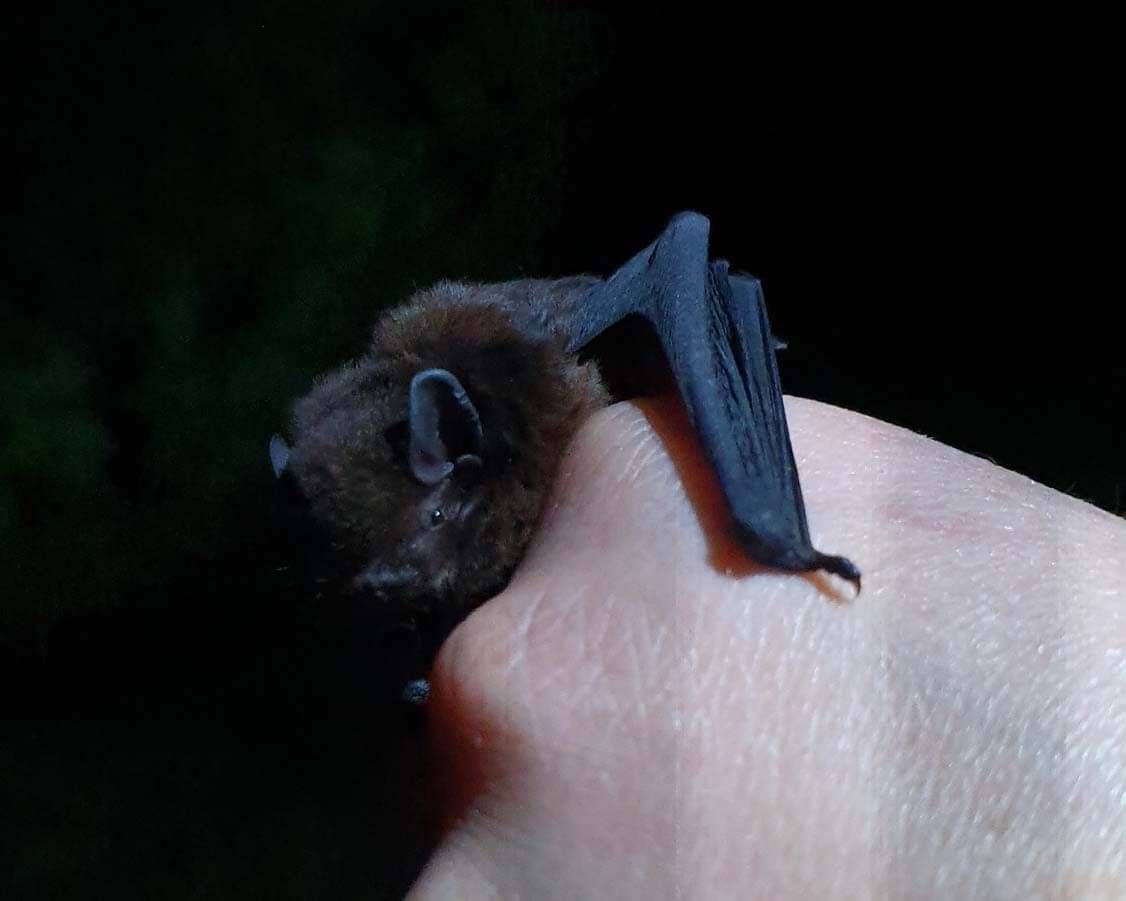
This precious species, also known as the long-tailed bat,
is Aotearoa New Zealand's only endemic land mammal and one of the world’s rarest mammals.
Habitat: Native and exotic forests across Aotearoa, Stewart Island, Little Barrier and Great Barrier Islands and Kāpiti Island.
Birthing season: December–January; females usually give birth to a single pup.
Diet: Small flying insects like moths, midges, mosquitoes and beetles.
What’s their superpower?
Pekapeka use sound to see in the dark through a process called echolocation. They make clicking noises with their mouths and listen for echoes. This helps them create a mental map of their surroundings and pinpoint the location, size and movements of tasty treats like moths, mosquitoes and beetles.
Why do we need them?
They devour hundreds of bugs every night, including mosquitoes, moths, midges and beetles. Without them, insect numbers would explode, upsetting our ecosystem balance and causing major issues for our environment.
They’re also a key indicator of a healthy environment - a drop in pekapeka numbers can signal habitat loss, pollution or rising predator populations which could mean trouble for the entire ecosystem.
Did you know?
They can eat 1,000 mosquitoes (25% of their body weight) in a single night. That’s like the average human demolishing 25 pizzas in one day.
Fascinating facts
Tiny treasures: These twilight travellers are the size of a human thumb, with a wingspan as wide as a hand and weigh less than a tablespoon of sugar.
Full-throttle fliers: Bats are the world’s only mammals capable of flying for long periods of time, and long-tailed bats can reach speeds of up to 60 km/h.
Masters of disguise: Their chestnut-brown fur helps them blend into tree bark, making them tricky for predators to spot when they’re roosting inside tree hollows during the day.
Flying favourites: These nocturnal navigators soared past the competition to win Aotearoa's Bird of the Year 2021 contest, receiving the highest number of votes in its 17-year history.

Conservation corner
Pekapeka-tou-roa are Threatened-Nationally Critical. Forest clearing steals hollow-tree homes, predators hunt them and bright lights shrink the dark edges where they feed. Protect old trees, trap predators and keep lights low, warm and shielded so our native insect hunters can keep patrolling the night.
How you can help
Avoid cutting down mature trees as they’re ideal roosting spots for pekapeka.
Join a local trapping group to help control pests like rats, stoats, wild cats and possums.
Keep your cat indoors at night as they love to hunt bats from 30 minutes before sunset until 30 minutes after sunrise.
Learn about bats and spread the word. Many people don’t even realise we have pekapeka in Aotearoa.
Reduce light pollution. Switch off unnecessary outdoor lighting to keep the sky as dark as possible at night.
Help us to help the Pekapeka-tou-roa / long-tailed bat
These tiny bats are about the size of your thumb, weighing just 8–11 grams and can fly at 60 km/h with a range of more than 100 km2! They are found nowhere else in the world, and are at serious risk, classified as threatened - nationally critical.
With over 75% of our indigenous species at risk of extinction*, the Pest Free Waitākere Ranges Alliance is raising funds to help defend the many special species of the Waitākere Ranges.
Thank you for your support of this amazing little bat!
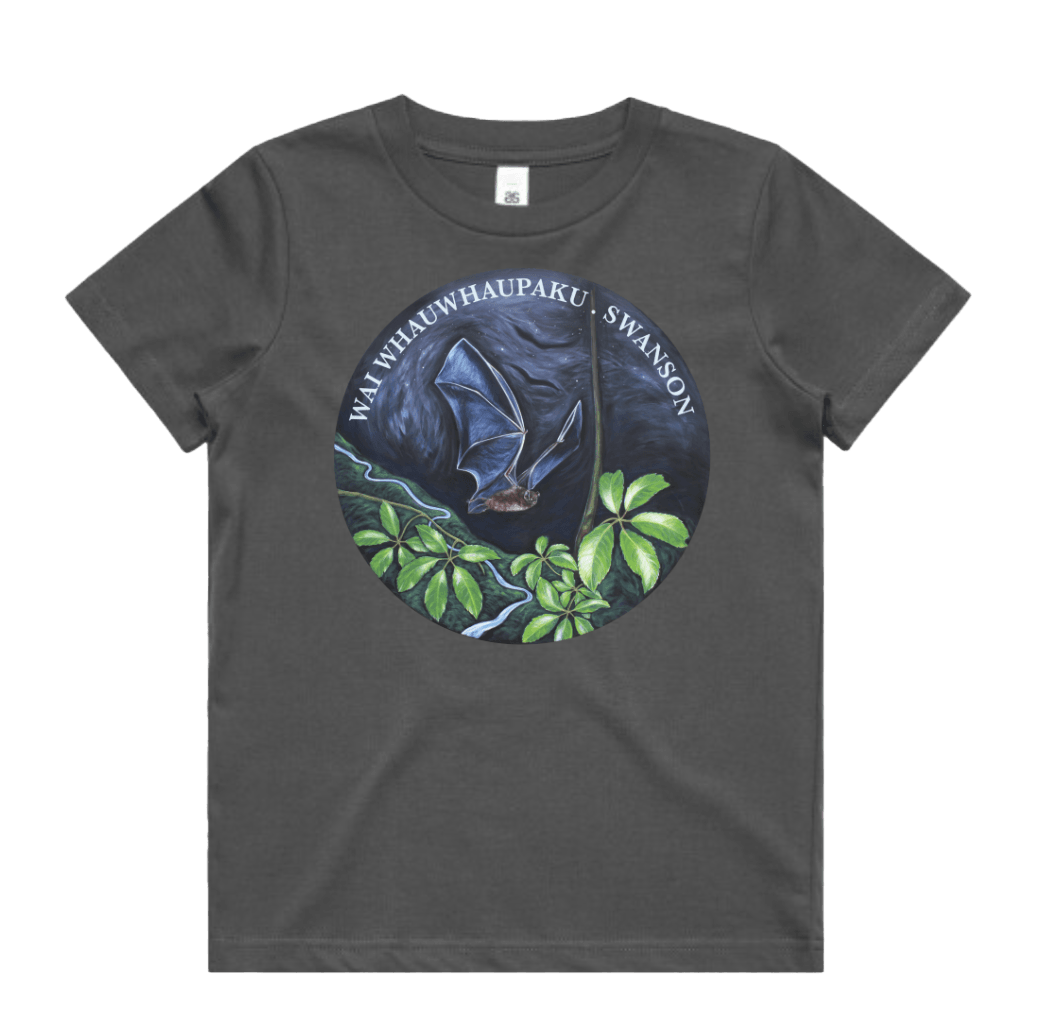
Swanson / Pekapeka-tou-roa Supporter Gear
Support the conservation efforts of Pest Free Waitākere Ranges Alliance!
By shopping with us, you're contributing to the protection and preservation of our ngahere, and supporting our vision of a restored and thriving Waitākere Ranges.
Choose from a range of clothing and accessories printed with our exclusive design by local artist Camille Joy Howie featuring Swanson's special species – the Pekapeka-tou-roa / long-tailed bat.
Find out more
Image credits: Fern by Toby Hall on Unsplash • Pekapeka-tou-roa on hand by hrubbo on iNaturalist • Pekapeka-tou-roa on tree by Kirsty Myron on iNaturalist
Get our newsletter
Receive monthly news and updates from Pest Free Waitākere Ranges Alliance.
