Miromiro
North Island tomtit
Insect hunters of the forest
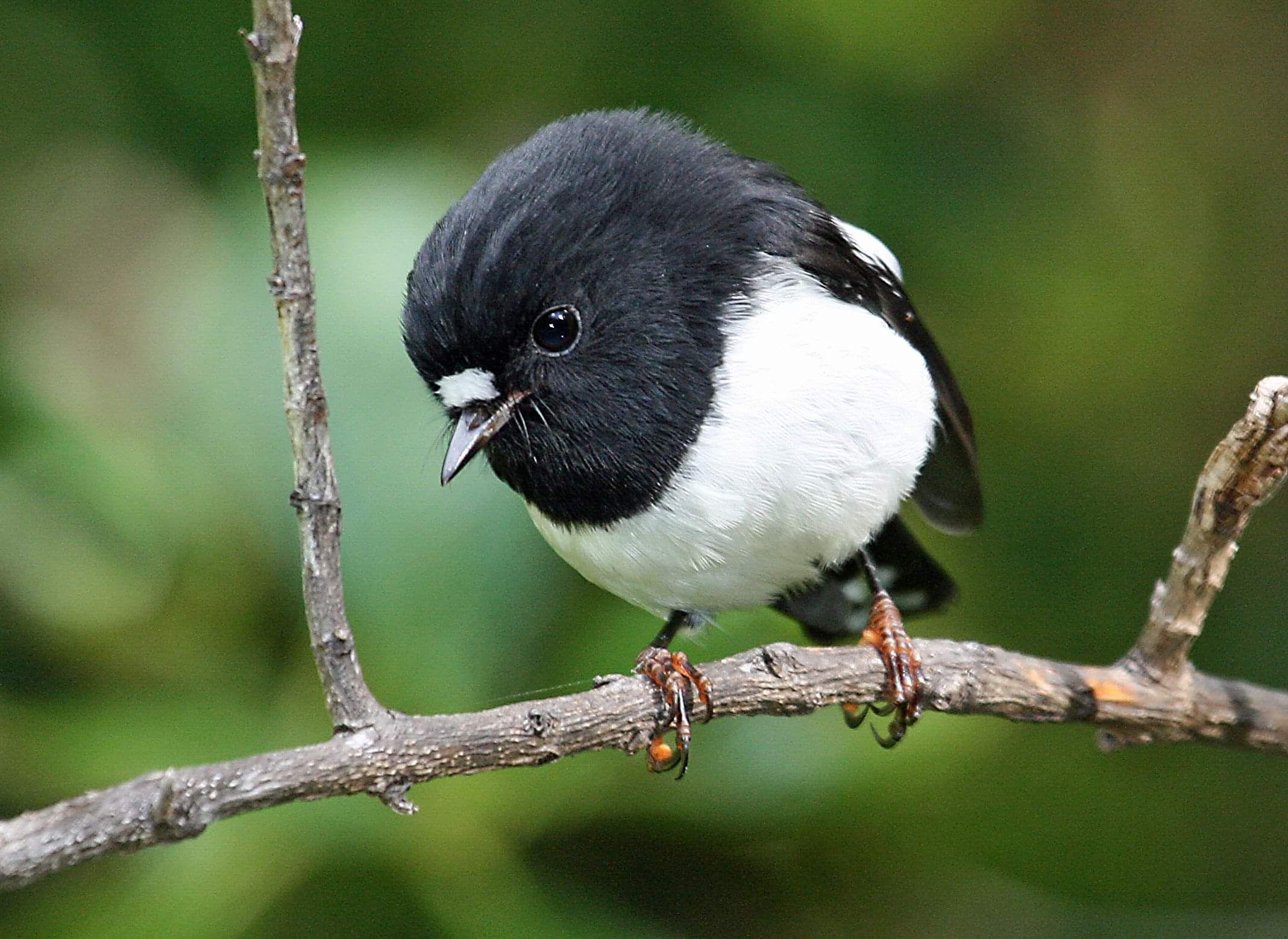
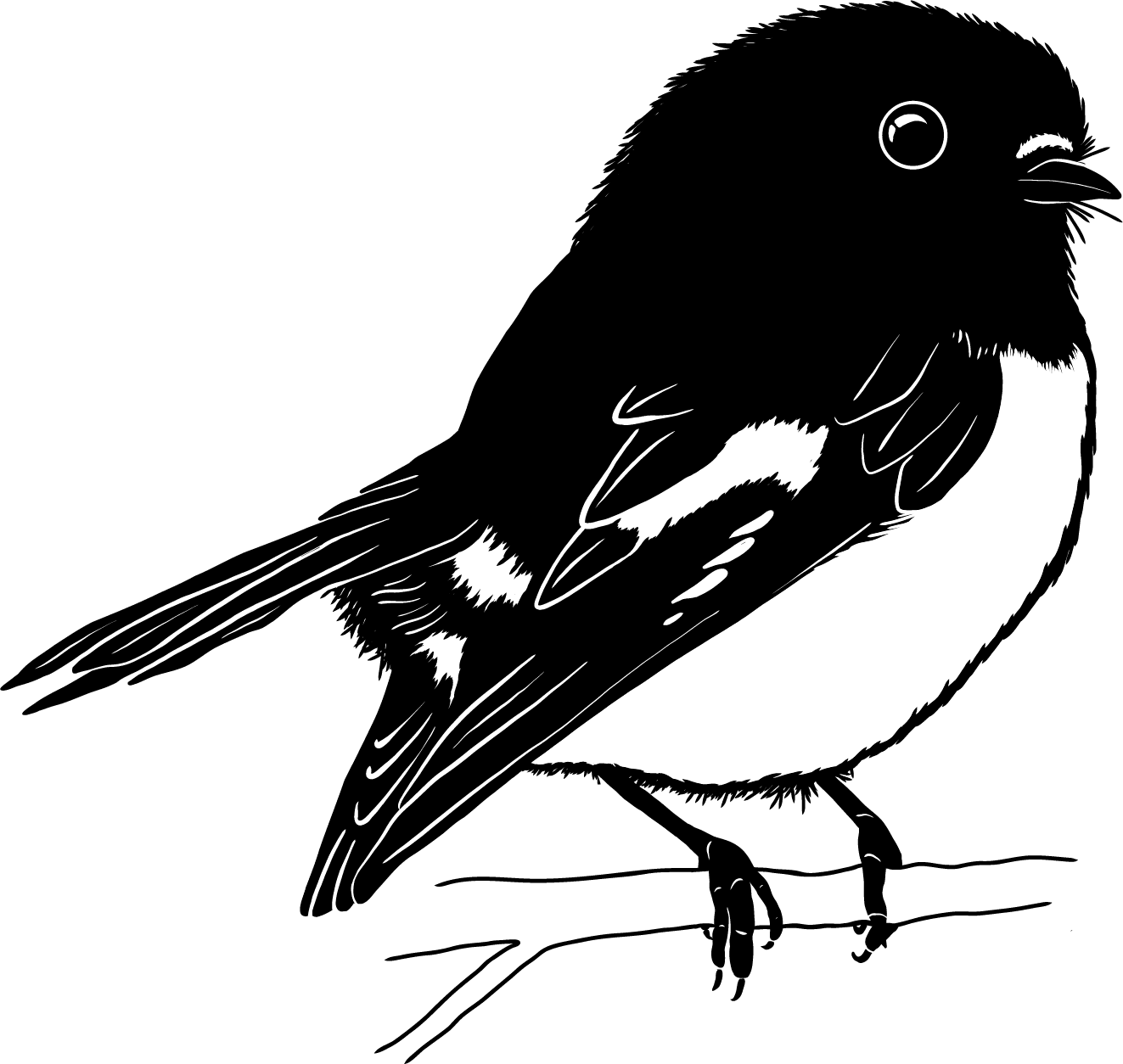
Endemic to Aotearoa New Zealand, the miromiro is a small forest bird with distinct large head and short tail.
Aotearoa has five tomtit subspecies. The North Island subspecies is miromiro.
Habitat: Native forest and scrub, plus mature exotic plantations with plenty of native understorey.
Breeding season: September–February.
Diet: Small invertebrates including spiders, amphipods, beetles, flies, moths and their larvae, wētā and (occasionally) small fruits.
What’s their superpower?
Miromiro (aka tomtit) have exceptional agility and sharp eyesight, making them expert insect hunters. They can spot bugs as small as a grain of sand hiding in tree bark or under leaves.
Why do we need them?
These forest foragers play a crucial role in controlling pests by munching on harmful insects like looper moth caterpillars which, if left unchecked, can kill entire forests by stripping tree leaves.
Did you know?
Miromiro have impressively large heads for their tiny bodies. So large, it’d be like humans walking around with giant pumpkins as heads. The reason? They house large eye sockets for sharp vision and powerful jaw muscles for expert hunting.
Fascinating facts
Tiny but tough: Despite their small size, miromiro are fierce defenders of their turf and will boldly chase away much bigger birds like tūī, kererū and kākāriki.
Together forever: Miromiro are generally monogamous, creating a bond with a single mate then raising their chicks together.
Determined dads: Unlike most other birds, if mum dies, dad will sometimes raise his chicks alone.
Perch and pounce: Miromiro typically hunt by perching quietly on a branch, surveying the area then darting out to snatch their prey mid-air before moving to a new perch to eat then hunt again.
Curious by nature: They aren’t shy about making friends, often hopping close to humans to investigate or in hope of a cheeky snack.

Conservation corner
Good news: miromiro are Not Threatened nationally. But habitat loss and predators, especially ship rats, can still reduce local numbers. Protecting forest and controlling predators keeps these tiny, fearless hunters thriving in our neighbourhoods.
How you can help
Protect their homes by not disturbing native forests, especially during nesting season.
Set traps in your area to reduce rats, stoats and other predators.
Keep cats indoors or within your yard as they love to snack on miromiro eggs and can kill chicks and grown birds.
Plant native trees in your garden. Tōtara, rimu, kahikatea and mataī are great miromiro-friendly habitats.
Help us to help the Miromiro/Tomtit
The miromiro is endemic to Aotearoa, hence found nowhere else in the world, and small, just 13cm long with a large head and a short bill. They are especially vulnerable to predation by ship rats.
With over 75% of our indigenous species at risk of extinction*, the Pest Free Waitākere Ranges Alliance is raising funds to help defend the many special species of the Waitākere Ranges.
Thank you for your support of this tiny tomtit!
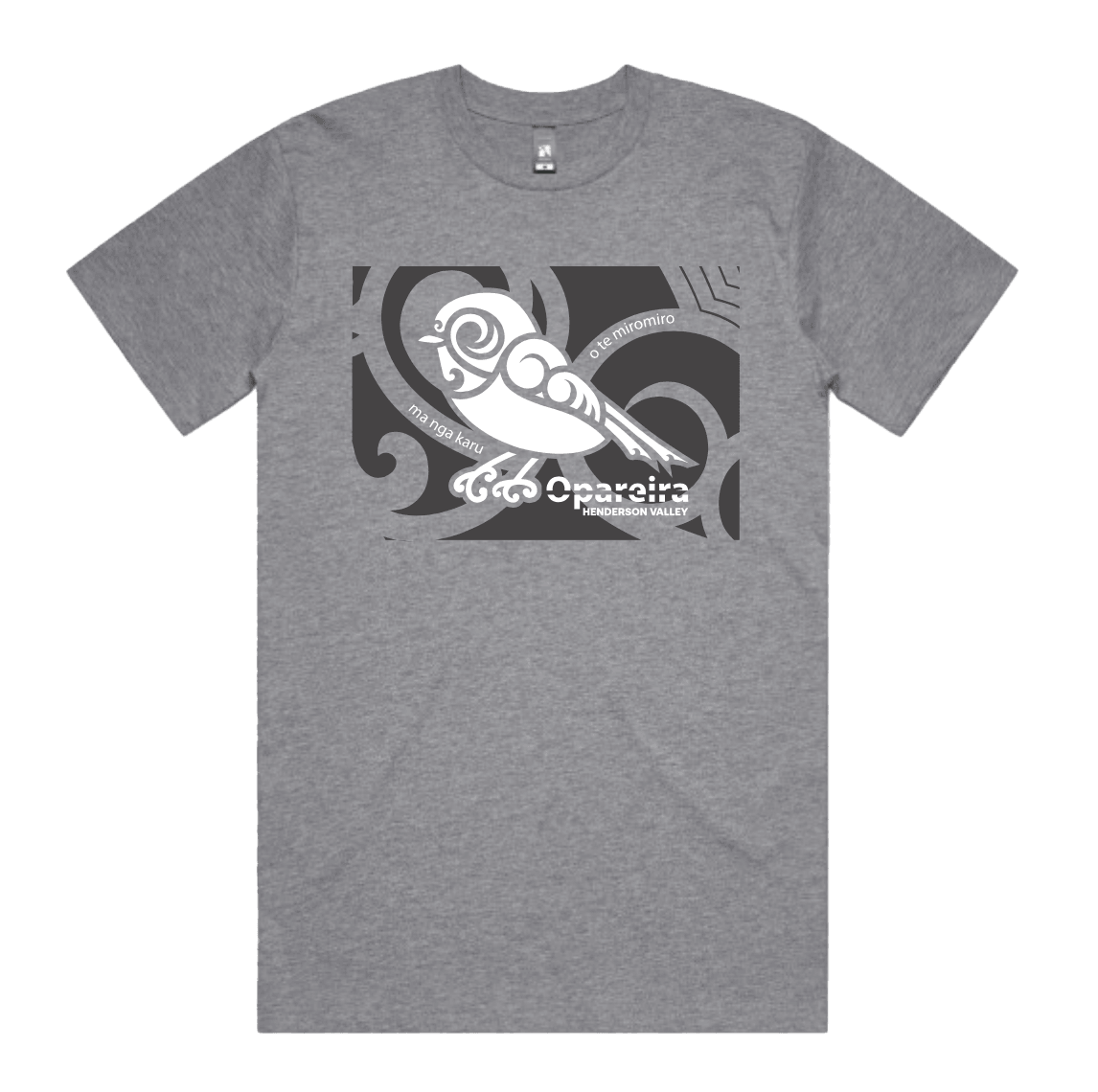
Henderson Valley / Miromiro Supporter Gear
Support the conservation efforts of Pest Free Waitākere Ranges Alliance!
By shopping with us, you're contributing to the protection and preservation of our ngahere, and supporting our vision of a restored and thriving Waitākere Ranges.
Choose from a range of clothing and accessories printed with our exclusive design by local artist Clem Larsen featuring Henderson Valley's special species – the Miromiro / North Island tomtit.
Find out more
Get our newsletter
Receive monthly news and updates from Pest Free Waitākere Ranges Alliance.
